Outsmarting the bacteria’s camouflage system
MHH biochemist is researching alternatives to antibiotics and has received two million euros from the European Union.
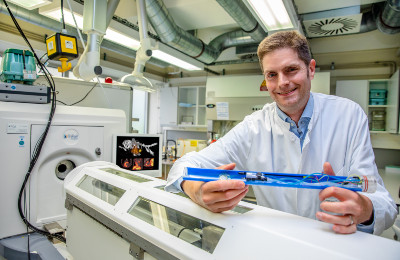
In the MIGRATe project, Professor Dr James Thackeray, a molecular medicine specialist at the Clinic for Nuclear Medicine at the Hannover Medical School (MHH), will research non-invasive molecular imaging approaches. The aim is to examine inflammatory cells and the activation of fibroblasts in the heart and in the network organs connected to it, and thus to precisely control targeted therapeutic interventions. This should lead to better therapy after a heart attack.
Acute myeloid leukaemia (AML) and chronic lymphocytic leukaemia (CLL) are among the most common forms of blood cancer in adults. Depending on the stage of the disease, patients receive chemotherapy, immunotherapy or a stem cell transplant. The so-called measurable residual disease (MRD) can be used to determine whether the leukaemia is responding very well to the therapy early on in the course of treatment.
About 40 percent of people in Germany have one or more chronic diseases. Many require permanent specialist care and must regularly introduce themselves personally to the practice. Blood tests are often the only reason for the appointment. This is particularly problematic in rural areas, where clinics are often far from home and require a long journey.
Natural killer cells (NK cells) are part of the first line of defense of our immune system. They eliminate virus-infested cells and tumor cells. This makes NK cells interesting helpers in cancer therapy. Professor Dr. Dr. Axel Schambach, head of the Institute of Experimental Haematology at the Hannover Medical School (MHH), wants to genetically modify the immune cells in such a way that they detect and destroy the tumor cells even more reliably.
Medicines that are injected must be continuously tested for impurities as part of their production and release, as these can cause fever or even blood poisoning. Until now, this has mostly been done using animal tests, animal products or the so-called monocyte activation test (MAT).